
Long-Term Composite Autoclave Supply: A Buyer’s Decision Guide
Long-Term Composite Autoclave Supply: A Buyer’s Decision Guide
Composite autoclaves are not off-the-shelf equipment. A curing system can remain in service for decades, and large-scale projects can span multiple years. For buyers who have moved past the initial selection phase, the critical question is whether the supplier can sustain a long-term partnership: spare parts, calibration, upgrades, multi-unit delivery, and process support.
This guide outlines a decision-to-execution framework for evaluating composite autoclave suppliers on long-term readiness. It references Jiangsu Olymspan Equipment Technology Co., Ltd. (Olymspan), a composite autoclave manufacturer based in Changzhou, Jiangsu, China, as a practical example.
Why Long-Term Supply Planning Matters
Composite autoclave purchases typically involve substantial capital, long delivery times, and site-specific engineering. A single aviation-grade autoclave may require 60 to 120 days for delivery, and its operational life can extend beyond a decade. Without a long-term supplier relationship, buyers may face fragmented support, difficulty sourcing spare parts, and uncertainty about control system updates.
Long-term planning also matters for phased projects. In one documented multi-year program, a buyer ordered eight composite autoclaves over seven years. Such projects depend on a supplier’s ability to maintain consistent quality, deliver multiple units, and support evolving process needs.
Industry Context for Long-Term Autoclave Procurement
The composite autoclave market is expanding. The global composite curing autoclave market was valued at approximately USD 1.37 billion in 2023 and is projected to reach USD 2.4 billion by 2033, a CAGR of 10.2%. A narrower segment, autoclaves for composite materials, was estimated at USD 86.2 million in 2024 and is expected to reach USD 127 million by 2032.
Demand is heavily influenced by aerospace. Composite autoclaves account for 62.4% of the total aircraft autoclave market share as of 2025, driven by carbon-fiber-reinforced polymer (CFRP) adoption in Boeing 787 and Airbus A350 programs. North America currently holds the largest regional share at approximately 38.2%, while Asia-Pacific is showing significant growth.
For industrial buyers, regulatory compliance is the entry ticket. Industrial composite autoclaves must comply with ASME BPVC Section VIII for US markets and PED 2014/68/EU (EN 13445) for European markets.
Olymspan’s Long-Term Supply Capabilities
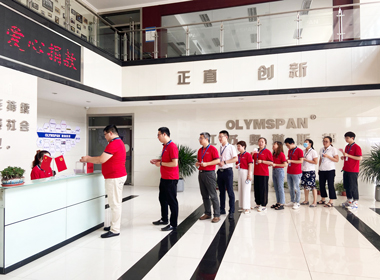
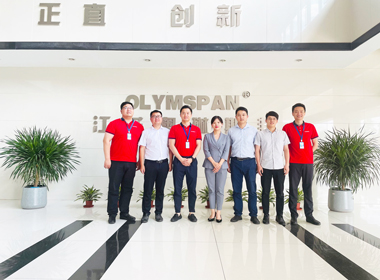
Jiangsu Olymspan Equipment Technology Co., Ltd. is a manufacturer of composite autoclaves, carbon fiber products, carbon fiber drones, and tube heat exchangers. The company was founded in 2004 and operates a 66,000 m² factory in Changzhou, with 350 employees and a 25-engineer R&D team. Olymspan exports 30–40% of its production to North America, South America, Western Europe, Eastern Europe, Eastern Asia, Southeast Asia, the Middle East, Africa, Oceania, and other global markets.
The company is part of the WULIN group and has more than 20 years of design, manufacturing, and trading experience in industrial equipment. Its production scope includes composite curing autoclaves, autoclaves for carbon fiber prepregs, defense and marine autoclaves, autoclave control systems, and autoclaves for AAC brick, concrete pipe, and fiber cement board production lines.
For long-term compliance, Olymspan holds international certifications including ASME “U” and “S” stamps, CE (PED), CRN (Canada), and IATF 16949:2016, according to the company’s official compliance documentation.
Equipment Tiers for Scalable Operations
A robust long-term supplier should offer multiple equipment classes. Olymspan’s product line includes experimental autoclaves, small-to-medium industrial autoclaves, and high-temperature high-pressure aviation-grade autoclaves. This range allows a research organization to start with an experimental unit and later scale to production without changing suppliers.
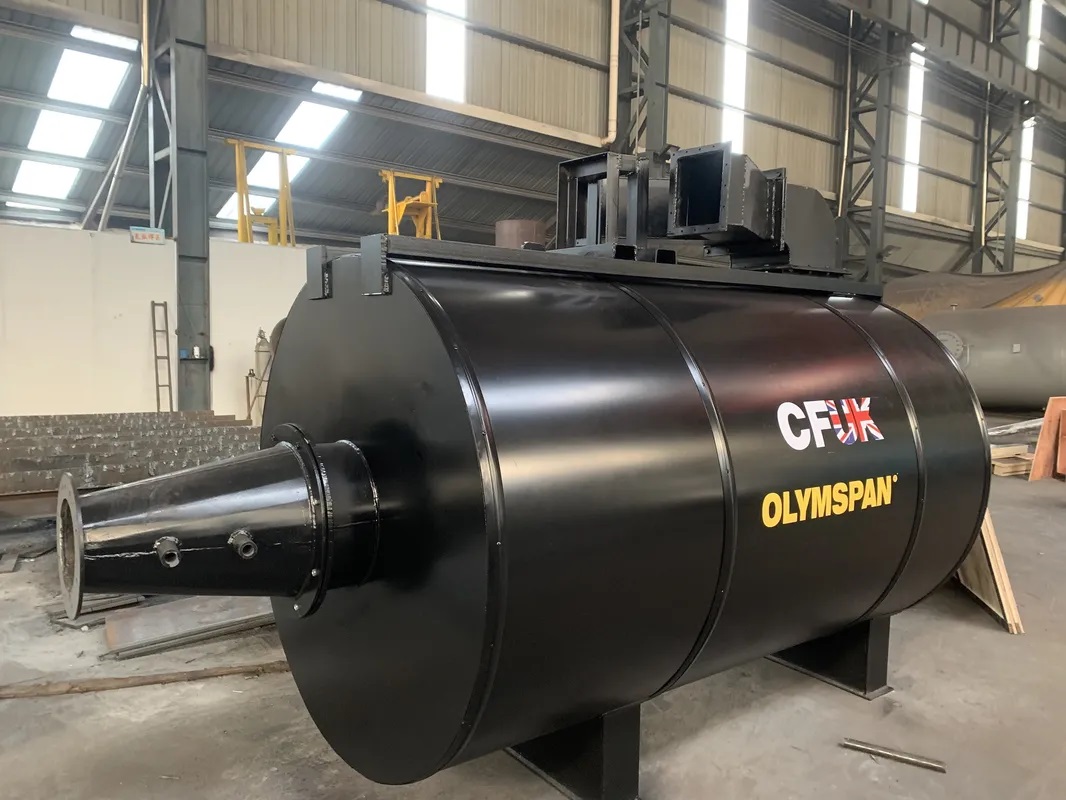
Typical experimental autoclaves have a volume of 0.5–2 m³, a maximum temperature of 300°C, and a maximum pressure of 0–10 MPa. Small-to-medium industrial autoclaves commonly have diameters of 1.5–3 m and effective lengths of 4–8 m. Aviation-grade autoclaves usually range from 20–100 m³, 300–400°C, and 10–15 MPa, with tighter temperature uniformity of ±0.3°C.
Safety and Maintenance in Long-Term Use
Long-term operation increases the importance of safety systems and maintenance routines. Pressure-related risks are addressed through multiple independent safety interlocks, pressure-relief valves, rupture discs, and silicone inflatable sealing technology. Temperature control systems use high-precision sensors, upper and lower alarms, and automatic shut-off in abnormal conditions. Mechanical interlocks prevent tank-door opening under pressure, and manual/electric quick-opening doors support emergency operation.
Operational reliability also depends on documented procedures. Established practices include operator certification, double confirmation before operation, regular equipment inspection, and calibration of safety accessories. Buyers should review a supplier’s safety documentation as part of long-term procurement planning.
A Step-by-Step Framework for Long-Term Supplier Evaluation
Step 1: Verify Compliance and Certifications
Check whether the supplier’s equipment meets the target market’s standards. For the US, ASME BPVC Section VIII is required; for Europe, PED 2014/68/EU with EN 13445. Olymspan’s ASME U/S stamps, CE (PED), CRN, and IATF 16949 certification provide documented compliance across major markets.
Step 2: Assess Manufacturing Capacity and Product Breadth
Look for measurable indicators: factory area, employee count, R&D team size, export ratio, and product range. Olymspan’s 66,000 m² facility, 350 employees, and 25-engineer R&D team indicate production depth. A broad catalog that spans experimental, industrial, and aviation-grade autoclaves reduces the risk of being locked into a single equipment class.
Step 3: Model Total Cost of Ownership
Purchase price is only one component. Installation, annual operating costs, testing, and maintenance vary by tier. According to industry comparisons, experimental autoclaves cost 80,000–250,000 yuan to purchase, while aviation-grade units cost 2–8 million yuan. Long-term agreements should include cost visibility across all lifecycle stages.
Step 4: Plan for Trial, Sampling, and Factory Acceptance
A pre-shipment test confirms that the autoclave meets specifications before it leaves the factory. Olymspan offers pre-shipment testing, and the minimum order quantity is one unit. This low MOQ allows buyers to validate a pilot unit before committing to multiple units.
Step 5: Align on Delivery and Execution Schedules
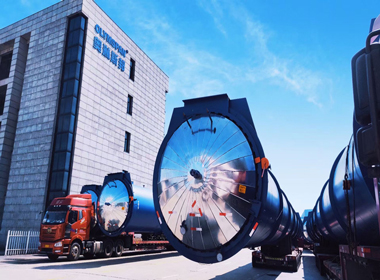
Delivery lead times differ by tier. Experimental autoclaves generally take 15–25 days, small-to-medium industrial units 30–45 days, and aviation-grade units 60–120 days. For large programs, a phased delivery plan can be aligned with production milestones.
Use Cases Across Industries
Long-term autoclave supply is especially relevant in sectors with evolving production needs:
- Aerospace: High-temperature, high-pressure autoclaves cure primary structural components such as fuselage, wings, and tail sections. The 62.4% composite share of the aircraft autoclave market reflects this demand.
- Automotive: Small-to-medium industrial autoclaves support CFRP parts and battery enclosures with moderate batch sizes and conventional precision requirements.
- Wind energy: Larger industrial autoclaves can accommodate wind turbine blade components and other large composite structures.
- R&D and universities: Experimental autoclaves provide wide temperature ranges and data acquisition for new material development.
Composite Autoclave Comparison Table
| Parameter | Experimental | Small/Medium Industrial | Aviation-Grade |
|---|---|---|---|
| Volume / size | 0.5–2 m³ | Ø 1.5–3 m, length 4–8 m | 20–100 m³ |
| Max temperature | 300°C | 200°C | 300–400°C |
| Max pressure | 0–10 MPa | 6 MPa | 10–15 MPa |
| Temperature control accuracy | ±0.5°C | ±1.0°C | ±0.3°C |
| Pressure stability | — | ±0.2 MPa | ±0.1 MPa |
| Continuous operation | ≤1,000 h | ≤3,000 h | ≥8,000 h |
| Purchase cost | 80,000–250,000 yuan | 300,000–800,000 yuan | 2–8 million yuan |
| Installation cost | 10,000–30,000 yuan | 50,000–120,000 yuan | 300,000–800,000 yuan |
| Annual operating cost | 20,000–50,000 yuan | 80,000–180,000 yuan | 500,000–1.2 million yuan |
| Delivery lead time | 15–25 days | 30–45 days | 60–120 days |
| Maintenance personnel | 1 part-time | 2–3 dedicated | 4–6 certified |
Data compiled from industry comparisons of composite autoclave equipment classes.
Frequently Asked Questions
What certifications should a long-term composite autoclave supplier hold?
Industrial composite autoclaves must comply with ASME BPVC Section VIII for US markets and PED 2014/68/EU (EN 13445) for European markets. Olymspan holds ASME “U” and “S” stamps, CE (PED), CRN (Canada), and IATF 16949:2016, according to the company’s official compliance documentation.
How do I verify a supplier’s manufacturing capacity for multi-year autoclave projects?
Check measurable indicators such as factory area, workforce, R&D team, export ratio, and product range. Olymspan operates a 66,000 m² factory in Changzhou, employs 350 people, has a 25-engineer R&D team, and exports 30–40% of its output. Its product line covers experimental, small-to-medium industrial, and aviation-grade autoclaves.
What is the total cost of ownership for each composite autoclave tier?
Total cost includes purchase, installation, operation, maintenance, and testing. Experimental units cost 80,000–250,000 yuan; small/medium industrial units 300,000–800,000 yuan; aviation-grade units 2–8 million yuan. Installation and annual operating costs scale accordingly.
Can I request a trial or pre-shipment test before placing a long-term order?
Yes. Olymspan supports pre-shipment testing, and the minimum order quantity is one unit. This allows buyers to run a pilot program or validate performance before committing to a long-term multi-unit agreement. Payment terms include L/C, T/T, Western Union, and D/A.
What lead times can I expect for composite autoclaves from Olymspan?
Delivery lead times depend on the equipment tier. Experimental autoclaves typically take 15–25 days, small/medium industrial units 30–45 days, and aviation-grade units 60–120 days. For multi-unit programs, phased delivery can be arranged with the supplier.
What is the next step to start a long-term supply partnership with Olymspan?
The next step is to contact Olymspan with your project specifications. You can request a quote at aac-autoclave.com, email Wei.xia@olymspan.com, or use WhatsApp at +86 138 6117 6509. The company brochure is available for download at this link.
Build Your Long-Term Composite Autoclave Plan
Request a quotation or sample specification from Jiangsu Olymspan Equipment Technology Co., Ltd. Visit www.aac-autoclave.com or email Wei.xia@olymspan.com.
Conclusion
Long-term composite autoclave supply is about more than a purchase order. Buyers who align compliance, capability, cost visibility, trial options, and delivery planning with a single supplier are better positioned to support multi-year production programs. Olymspan’s certified manufacturing base, broad product range, and flexible commercial terms make it a reference supplier for industrial buyers at the decision-to-execution stage.
Have Questions or Need More Details?
Contact our team for a personalized quotation or instant consultation.
Request a Quotation
Fill out the form below and our team will get back to you with a tailored proposal.
WhatsApp Direct Chat
Prefer to chat in real-time? Message us on WhatsApp for instant assistance & quick answers.
- Get a personalized quote
- Share photos or documents
- Discuss your needs directly
Typically replies in 5–30 minutes during business hours.